


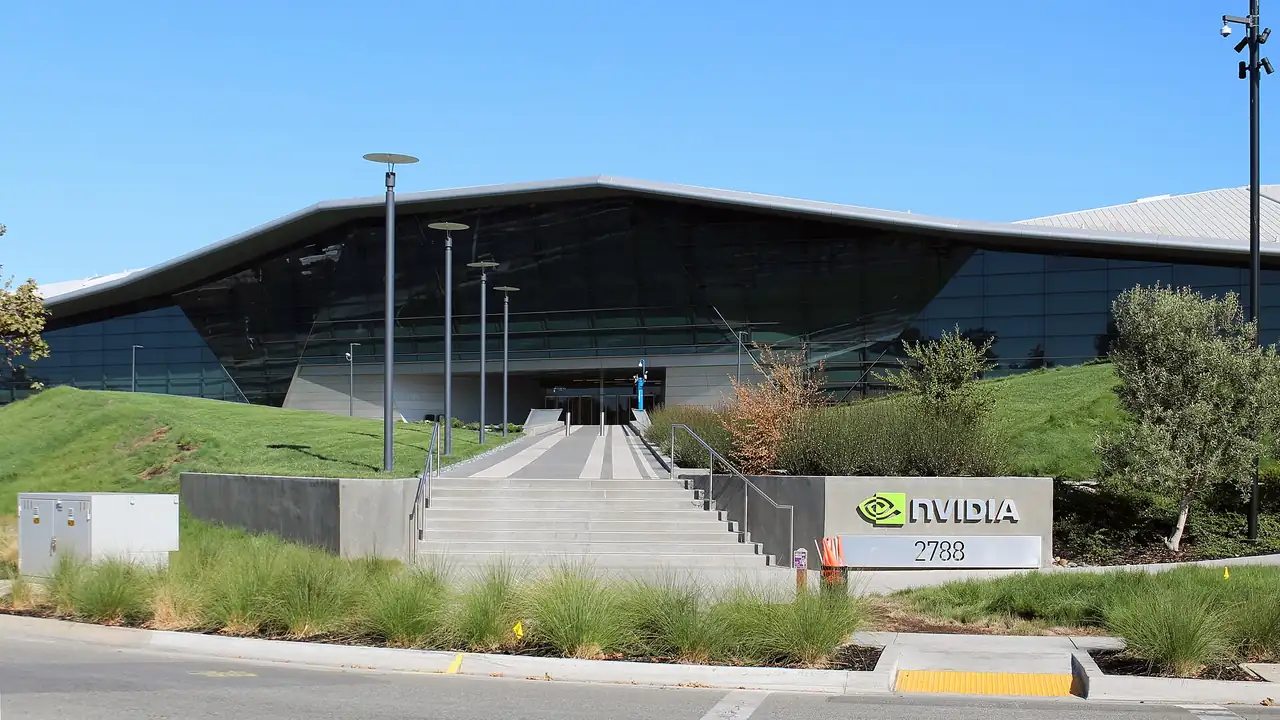
Nvidia has lost the only chief executive it has ever had. Jensen Huang "has resigned as President, Chief Executive Officer, and a member of the Board, effective immediately," the company said in a filing with the US Securities and Exchange Commission on 12 November.
He co-founded the company in 1993. Thirty-three years later, the company at the centre of the AI chip boom needs a new boss.
Key Takeaways
- Huang has left every role at Nvidia, including his board seat
- CFO Colette Kress is interim CEO and keeps the finance job too
- Harvey Jones becomes Nvidia's first ever board chair
- Third-quarter results still arrive on 17 November, as planned
What exactly did Nvidia announce?
Three things. Kress steps in as interim CEO while staying CFO. The board will look at internal and external candidates for the permanent job, with no timeline given. And Harvey C. Jones, a former Synopsys chief who has sat on Nvidia's board since 1993, becomes its first chair.
"The Board has full confidence in Colette and the leadership team," Jones said. Kress said: "Our focus remains on serving our customers, partners, developers and shareholders."
Why did Huang leave?
Nvidia has not given a reason, Al Jazeera notes. The exit followed several days of scrutiny over his personal life and possible national security questions.
On Sunday, Huang admitted being unfaithful to his wife and apologised to his family and staff. The board then opened an independent investigation into reports that he had been targeted by Chinese intelligence. It said it had "no reason to believe" national security or company secrets were compromised, Fortune reports. That investigation is still running. No evidence has been published that Huang knowingly helped Beijing.
Who is Colette Kress?
She has been Nvidia's CFO since September 2013. In that time, annual revenue grew from $4.13 billion in fiscal 2014 to $215.9 billion in fiscal 2026, per Al Jazeera. Before Nvidia, she held senior finance roles at Texas Instruments, Microsoft and Cisco.
She knows the numbers better than anyone. The open question is product. Huang personally steered what Nvidia built next, and the company has no chief operating officer or clear succession plan, Fortune reports.
What does it mean for the AI race?
Investors flinched. Shares fell more than 6% early on Thursday, according to Fortune.
Rivals see an opening. "This could turn what has effectively been a monopoly into a horse race again," Bret Greenstein, chief AI officer at West Monroe, told Fortune. Wharton professor Michael Useem put it bluntly: "Rarely has a board faced this much pressure."
For buyers of AI computing, from cloud giants to Indian startups renting GPUs, nothing in the filing changes existing products or orders. The longer-term question is who sets the roadmap now.
What to watch
- Results on 17 November. The call starts at 2 p.m. Pacific, which is 3:30 a.m. IST on 18 November.
- Whether the board names an insider or looks outside.
- The findings of the independent investigation.
- Whether big customers start hedging with rival chips.
Nvidia's chips are not going anywhere. Its next leader is the story now.
Cover photo: Coolcaesar, via Wikimedia Commons (CC BY-SA 4.0).


Reader Discussion