


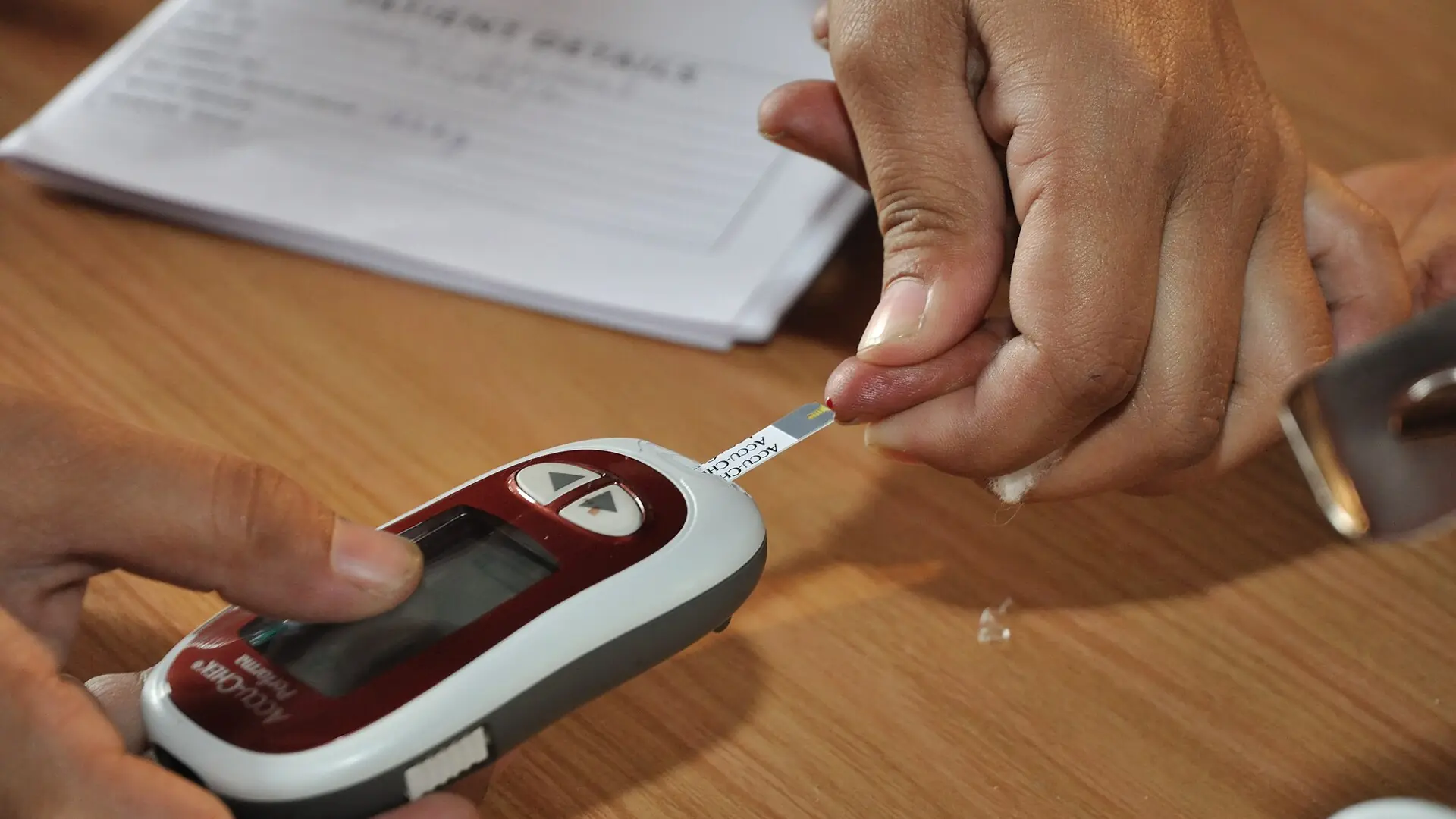
Saturday, November 14, is World Diabetes Day. This year's theme is two words long and aimed at everyone, not just patients: early action. The idea is simple. Diabetes caught early is far easier to live with than diabetes found through a complication.
For India, that message lands harder than almost anywhere else. Here is what the theme means, who should get checked, and what a first test actually involves.
Key Takeaways
- The 2026 theme is "Early action on diabetes", and it runs for two years
- WHO says more than 40% of people with diabetes worldwide are undiagnosed
- India has an estimated 101 million people with diabetes and 136 million with prediabetes
- Type 2 diabetes often has few or no symptoms, so a blood test is the only reliable check
What does "early action" mean?
The International Diabetes Federation picked a two-year theme for 2026 and 2027. It focuses on finding diabetes sooner and lowering risk before it starts. The federation estimates that diabetes affects over half a billion people, that almost one in two of them do not know it, and that one in eight adults worldwide is at high risk of type 2 diabetes.
The World Health Organization's campaign page puts the undiagnosed share at more than 40%. WHO member states have set a target of diagnosing 80% of people with diabetes by 2030. The campaign also asks people to talk about diabetes without stigma, because shame keeps people away from testing.
Why does this matter so much in India?
The largest national study on the subject, ICMR-INDIAB, found diabetes in 11.4% of Indian adults, about 101 million people. A further 15.3%, about 136 million, had prediabetes, a stage where blood sugar is raised but not yet in the diabetes range. The study was published in The Lancet Diabetes and Endocrinology and reported by The Tribune and ThePrint.
Prediabetes is the window that early action is about. At that stage, food, activity and weight changes can often delay or prevent type 2 diabetes. Once complications such as kidney, eye, nerve or heart damage begin, the options narrow.
What signs should prompt a test?
WHO lists the classic warning signs: unusual thirst, frequent urination, tiredness and blurred vision. The catch is that type 2 diabetes often shows none of them for years. Type 1 diabetes can also appear at any age, including in adults, and is easy to miss.
That is why risk, not symptoms, is the better trigger. A family history of diabetes, extra weight around the waist, an inactive routine, high blood pressure or diabetes during a past pregnancy are all reasons to ask for a check.
A simple early-action checklist
- If you are over 30, or younger with risk factors, ask a doctor about a fasting blood sugar or HbA1c test.
- Note your result and repeat the test as your doctor advises, even if it is normal.
- If you are told you have prediabetes, treat it as a warning to act, not a diagnosis to ignore.
- Build small daily habits: a 30-minute walk, fewer sugary drinks and more whole foods.
- Share what you learn with family members, since risk often runs in households.
None of this replaces advice from your own doctor, who knows your history. But the first step costs little and takes minutes.
A blood test this month could be the most useful thing you do for your health this year. That is the whole point of early action.
Cover photo: Biswarup Ganguly, via Wikimedia Commons (CC BY 3.0).



Reader Discussion