


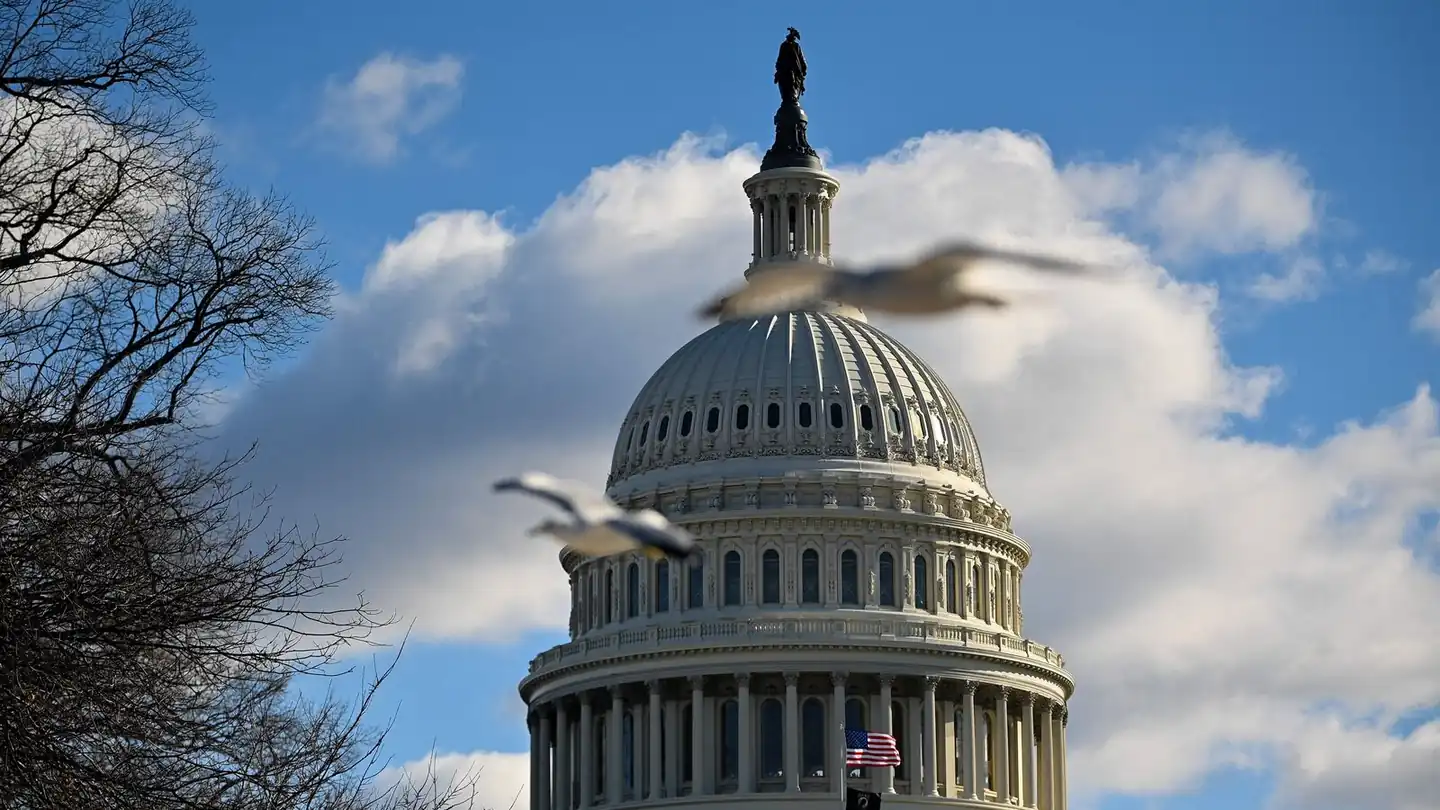
The vote is in. Power has shifted in Washington. Official US election results from the November 3, 2026 midterm elections confirm that Democrats have won majorities in both the House of Representatives and the United States Senate. The dual-chamber victory shatters the unified Republican trifecta that governed since 2025. It leaves President Donald Trump facing an aggressive opposition legislature for the final two years of his term. What began as an uphill map for the minority party turned into a nationwide rebuke of the economic and foreign policy status quo.
Key Takeaways
- Dual-Chamber Flip: Democrats captured majorities in both the House of Representatives and the Senate, ending two years of unified Republican governance in Washington.
- Economic Friction: Voter discontent over stubborn grocery prices, tariff pressures, and middle-class living costs drove decisive swings across suburban battlegrounds.
- Statehouse Shockwaves: Surprises swept through traditional conservative strongholds, highlighted by historic upsets in Maine and Kansas alongside key gubernatorial pickups in Nevada and Georgia.
- Divided Government Returns: The incoming Democratic Congress gains full subpoena authority and committee gavels, resetting federal spending priorities ahead of the 2028 presidential race.
What the US Election Results Mean for Capitol Hill
The arithmetic is straightforward. Power in Washington changed overnight. Projections certified by the Associated Press and Decision Desk HQ show Democratic candidates unseating more than two dozen Republican incumbents across suburban congressional districts in New York, California, Pennsylvania, and Virginia.
In the Senate, where Republicans entered Tuesday defending a narrow edge, Democratic challengers broke through in fiercely contested battlegrounds. The result gives Democrats working control of both legislative chambers for the 120th Congress when lawmakers take their oaths in January 2027.
Divided government is now the law of the land. Unified party control allowed Republicans to advance executive confirmations and budget reconciliations with minimal interference. That runway has ended. Every cabinet vacancy, judicial nomination, and appropriations bill must now pass through committees run by Senate Majority Leader Chuck Schumer and House Speaker Hakeem Jeffries.
Why Voters Shifted in Key Battlegrounds
Midterm elections historically challenge the party occupying the White House. Yet the breadth of this vote caught both parties off guard. Exit interviews conducted across battleground precincts revealed acute economic fatigue among independent voters.
Despite steady headline employment numbers, voters expressed persistent frustration with cumulative inflation. The compounding cost of groceries, rent, and utility bills remained central at kitchen tables. Import tariffs introduced over the past eighteen months also triggered retail price increases on household goods, alienating swing-district moderates who backed Republicans two years earlier.
Foreign policy added another layer of voter anxiety. Escalating military commitments in the Middle East and ongoing conflicts involving Iran raised public concern about prolonged overseas entanglements. Voters demanded domestic relief rather than open-ended geopolitical conflict.
| Electoral Arena | 2024 Balance | 2026 Midterm Outcome | Immediate Impact |
|---|---|---|---|
| U.S. House | GOP Majority (+6 seats) | Democratic Majority (+12 to +16 projected) | Subpoena power, budget origination, legislative freeze |
| U.S. Senate | GOP Majority (53-47) | Democratic Majority (51-49 projected) | Judicial confirmations halted, treaty review, oversight |
| Governorships | 27 GOP / 23 Dem | Democratic Majority (26 Dem / 24 GOP) | Redistricting defense, state-level voting administration |
| White House | Unified GOP Trifecta | Divided Government | Executive order dependency, veto showdowns |
Statehouse Upsets and Historic Firsts
The political earthquake extended beyond federal hallways. Statehouse races delivered startling reversals in regions long considered safe for conservative incumbents.
The most consequential Senate upset occurred in Maine, where Democratic challenger Troy Jackson defeated veteran Republican Senator Susan Collins. Collins had held her seat since 1996, weathering multiple political waves. Jackson focused his campaign strictly on working-class healthcare access and regional manufacturing jobs, dislodging one of the Senate's longest-serving moderates.
Gubernatorial contests also established historic milestones. In Nevada, Aaron Ford won the governor's mansion, becoming the state's first Black chief executive. In Georgia, Keisha Lance Bottoms secured the governorship, becoming the first Black woman elected governor in state history. Democrats also flipped legislative chambers in Pennsylvania and Arizona, dismantling Republican state-level trifectas.
What Happens Next: Investigations, Budgets and 2028
The immediate consequence of the vote will be institutional gridlock. When Democrats assume committee gavels in January, incoming committee chairs plan aggressive oversight hearings into executive branch spending, regulatory rollbacks, and foreign trade decisions.
President Trump responded to reporters on Wednesday morning with an unexpectedly conciliatory tone. While attributing congressional losses to regional candidate dynamics and foreign headwinds, Trump indicated an openness to compromise on shared infrastructure and trade measures. "I want things to happen too," Trump remarked, signaling that the White House may seek tactical deals rather than relying exclusively on executive vetoes.
Meanwhile, the midterm results unofficially launch the 2028 presidential campaign. For Republicans, the defeat forces an internal assessment of party strategy, placing Vice President JD Vance and congressional leaders in the spotlight. For Democrats, the victorious class of incoming governors and senators will form the primary bench for the next national primary.
The Road Ahead for American Policy
Washington is entering a tense two-year chapter. Major party-line legislation is dead on arrival. Power will be exercised through appropriations negotiations, judicial vetting battles, and executive actions tested in federal courts. For American voters who registered their dissatisfaction at the ballot box, the mandate was unequivocal: single-party dominance has ended, and genuine compromise is now mandatory.



Reader Discussion