


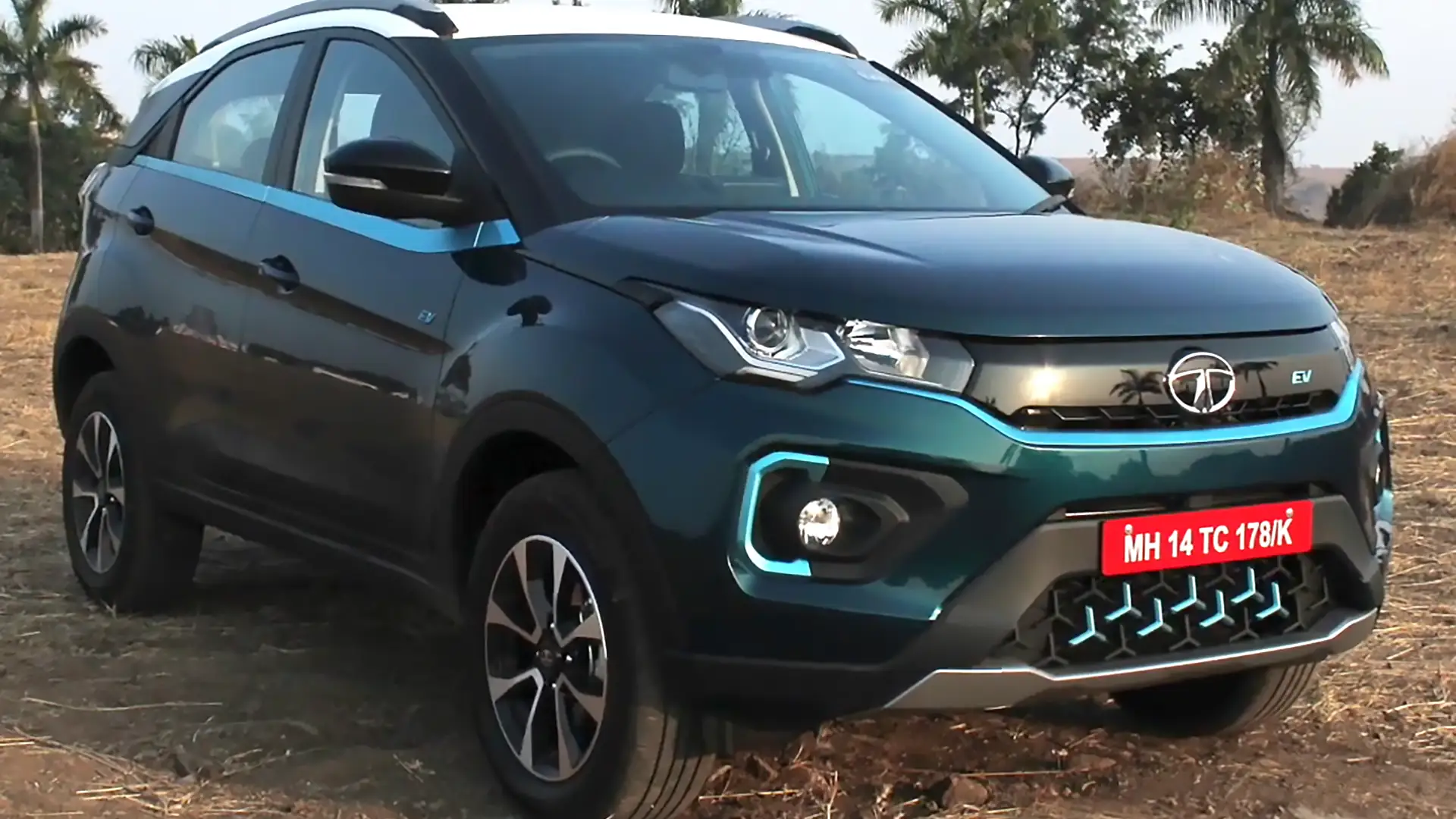
The next car parked outside a central government office is likely to be electric. The Finance Ministry has told every ministry and department to treat EVs as the "default and preferred choice" whenever an old petrol or diesel staff car is replaced.
It also changed the money behind the decision. The price ceiling for an electric staff car is now double the ceiling for a petrol, diesel or hybrid one.
Key Takeaways
- EVs become the default when ministries replace old petrol and diesel staff cars
- The price cap for an electric staff car is Rs 20 lakh, against Rs 10 lakh for petrol, diesel and hybrid
- Departments that still want a conventional car need special approval
- The Department of Expenditure memorandum is dated November 10 and applies immediately
What the order actually says
The instruction comes from an office memorandum issued by the Finance Ministry's Department of Expenditure. As Business Standard reports, ministries "shall ordinarily procure Electric Vehicles (EVs) at the time of condemnation/replacement of their existing ICE staff cars."
In plain terms: nobody is scrapping working cars early. The switch happens as old cars reach the end of their service life.
Why the price cap matters more than the slogan
Electric cars cost more upfront, and earlier government EV pushes struggled partly for that reason. The new memo tackles it directly. Per PTI's report via YourStory, the ministry set the Net Dealer Price ceiling for electric staff cars at Rs 20 lakh.
The ceiling for internal combustion cars, which now includes hybrids, stays at Rs 10 lakh, according to The Daily Pioneer. The ministry framed the revision around promoting electric mobility, cutting fossil fuel dependence and accounting for lifecycle costs, not just sticker prices.
Free Press Journal adds the clause that gives the order teeth: a department seeking a conventional vehicle must obtain special approval.
Part of a year of tighter car rules
This is the third government vehicle directive in 2026. In May, the ministry told state-run banks and insurers to phase in electric cars. In July, Business Today reported a stricter "one entitled officer, one official car" rule to curb misuse.
What it means beyond government garages
- A steady government order book gives EV makers in the Rs 10 to 20 lakh segment predictable demand.
- More official EVs means more charging points at government buildings, often the first in a district.
- Fleet running costs should fall over time, since electricity per kilometre is cheaper than fuel.
- The approval clause means exceptions leave a paper trail, which makes the policy measurable.
Government fleets are a small share of India's cars, so the direct climate effect is modest. The signal is larger.
When the state stops treating petrol as the safe default for its own vehicles, private fleet managers tend to take note, and so do the buyers watching which badge sits outside the collector's office.
Cover photo: DriveSpark, via Wikimedia Commons (CC BY 3.0).



Reader Discussion