


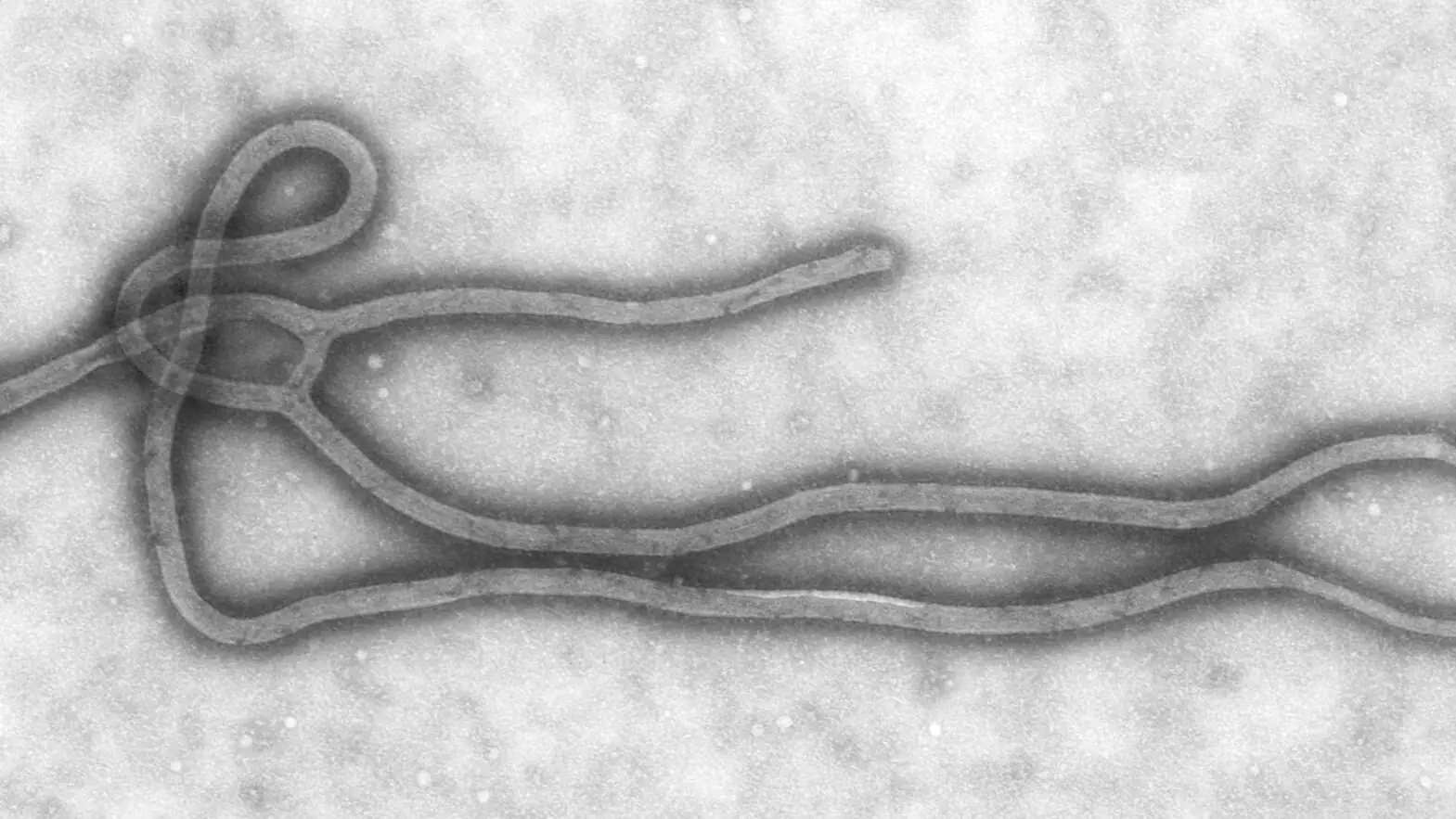
Six months in, Congo's Ebola outbreak is still growing. The health ministry's latest figures show 11,042 confirmed cases and 5,387 deaths, AP reports. Nearly half of everyone infected has died.
It is now Congo's deadliest Ebola outbreak. Only West Africa's 2014 to 2016 epidemic was bigger.
Key Takeaways
- 11,042 confirmed cases and 5,387 deaths since the outbreak was declared in mid-May
- The Bundibugyo strain behind it has no approved vaccine or treatment
- MSF says the virus is still spreading out of control
- WHO rates the global risk as low and advises against travel bans
How big has it become?
The virus has reached 8 of Congo's 26 provinces. Ituri province accounts for nearly 70% of cases, and North Kivu is now the main site of new infections, Health Minister Roger Kamba said, according to AP.
It has crossed borders too. WHO's latest outbreak report lists 9 confirmed cases and 2 deaths in Kenya and one imported case in Nigeria. Earlier outbreaks in Uganda and France have been under control since August.
Why is it so hard to stop?
Start with the tools. There is no approved vaccine or treatment for Bundibugyo. Then add war. Renewed fighting in Ituri and North Kivu keeps health teams away from the sick, and health workers have been attacked.
Médecins Sans Frontières paints a grim picture. In Ituri, only 9% of the Ebola patients MSF treated were known contacts of earlier cases, Reuters reports. That means most infections are not being traced. Nearly two-thirds of recent deaths happened in communities, not treatment centres.
"Six months into the response, this situation is simply unacceptable," said Dr Javid Abdelmoneim, MSF's international president.
Imperial College epidemiologist Neil Ferguson thinks the real toll is higher. "Throughout the outbreak, we think we're probably only detecting about half of cases which are occurring," he told Reuters. He said transmission could still be going a year from now.
Is a vaccine on the way?
Trials have started. The Tumaini Phase 2/3 vaccine trial enrolled its first participants in Bunia on 23 October, WHO says. Expert groups have recommended adding two more candidates: ChAdOx1, developed by Oxford with the Serum Institute of India, and Moderna's mRNA-1469.
That gives India a direct stake. If the Oxford candidate works, the Serum Institute would be part of the answer.
Should travellers worry?
WHO rates the risk as very high inside Congo and high for its neighbours. For the rest of Africa and the world, it says the risk is low, though it is revising that assessment. It advises against any restriction of travel to, or trade with, affected countries.
Kenya alone had screened 760,415 travellers at entry points by 5 November.
What to watch next
- Whether fighting pauses in Ituri and North Kivu so teams can reach patients.
- Early results from the Tumaini trial, and whether the Oxford and Moderna candidates join it.
- WHO's revised risk assessment.
- Any new cases in Kenya, Nigeria or Congo's other neighbours.
The numbers keep climbing. The tools to stop them are still in trials.
This article is general information. For travel or health decisions, follow your national health authority's advice.
Cover photo: Photo Credit: Cynthia Goldsmith Content Providers(s): CDC/ Cynthia Goldsmith, via Wikimedia Commons (Public domain).


Reader Discussion