


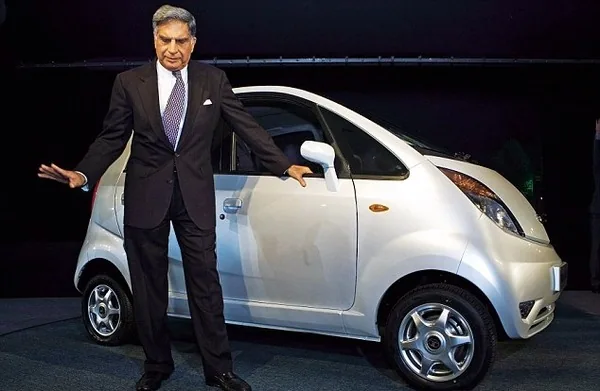
The Tata Nano remains one of the boldest products India has ever engineered: a real car, launched at around Rs 1 lakh, unveiled in 2008 as the cheapest in the world. A decade later it was discontinued with sales in single digits.
The Nano did not fail as engineering. It failed as a story, and the people who built it have been unusually honest about why.
Key Takeaways
- Launched as the world's cheapest car; that exact label became its biggest liability
- Ratan Tata himself said it should have been marketed as the most affordable car, not the cheapest
- The price gap with the Maruti Alto narrowed until the Nano's advantage nearly vanished
- Production ended in 2018 after years of falling sales
The dream, and the label that sank it
Cars in India are aspirational purchases, and nobody aspires to the cheapest anything. Outlook Business records Ratan Tata's own verdict: the sales team branded it as "the cheapest car rather than the most affordable car", and buyers did not want to be seen in it.
That stigma was avoidable, which is what makes the case painful. The same vehicle, positioned as a clever city car, might have met a very different market.
The practical problems underneath
Branding was not the whole story. The Wire's analysis lists the rest: riding comfort suffered from the car's light build, and the price advantage eroded year by year until a Nano on the road in Delhi cost Rs 2.59 lakh against Rs 2.88 lakh for the cheapest Alto. For thirty thousand rupees more, buyers got the badge they actually wanted.
Verdict adds the safety record to the charge sheet. A budget built around an impossible price left no room for the equipment buyers increasingly expected.
The quiet end
By mid-2018 the end was procedural. Engadget reported Tata winding the Nano down with a one-line epitaph that still stings: the car focused too much on pure cost and not enough on value.
It ended production the same year, ten years after the reveal that had made global front pages.
What the Nano teaches anyone building cheap things
- Price is a feature; "cheapest" is an identity. Customers wear your product's identity in public.
- A cost advantage must survive time. The Nano's shrank every year it existed.
- Aspirational markets punish products that admit they are for people with less money.
- Honest post-mortems are rare and valuable. Ratan Tata's own one names the mistake plainly.
The epilogue keeps the story alive: the Nano is now a business school case study across the world, taught more than it was ever driven.
And the idea it chased has not died. Every few years, talk of an affordable electric revival returns, because the problem the Nano attacked, mobility for a two-wheeler family, is still unsolved.

Reader Discussion