

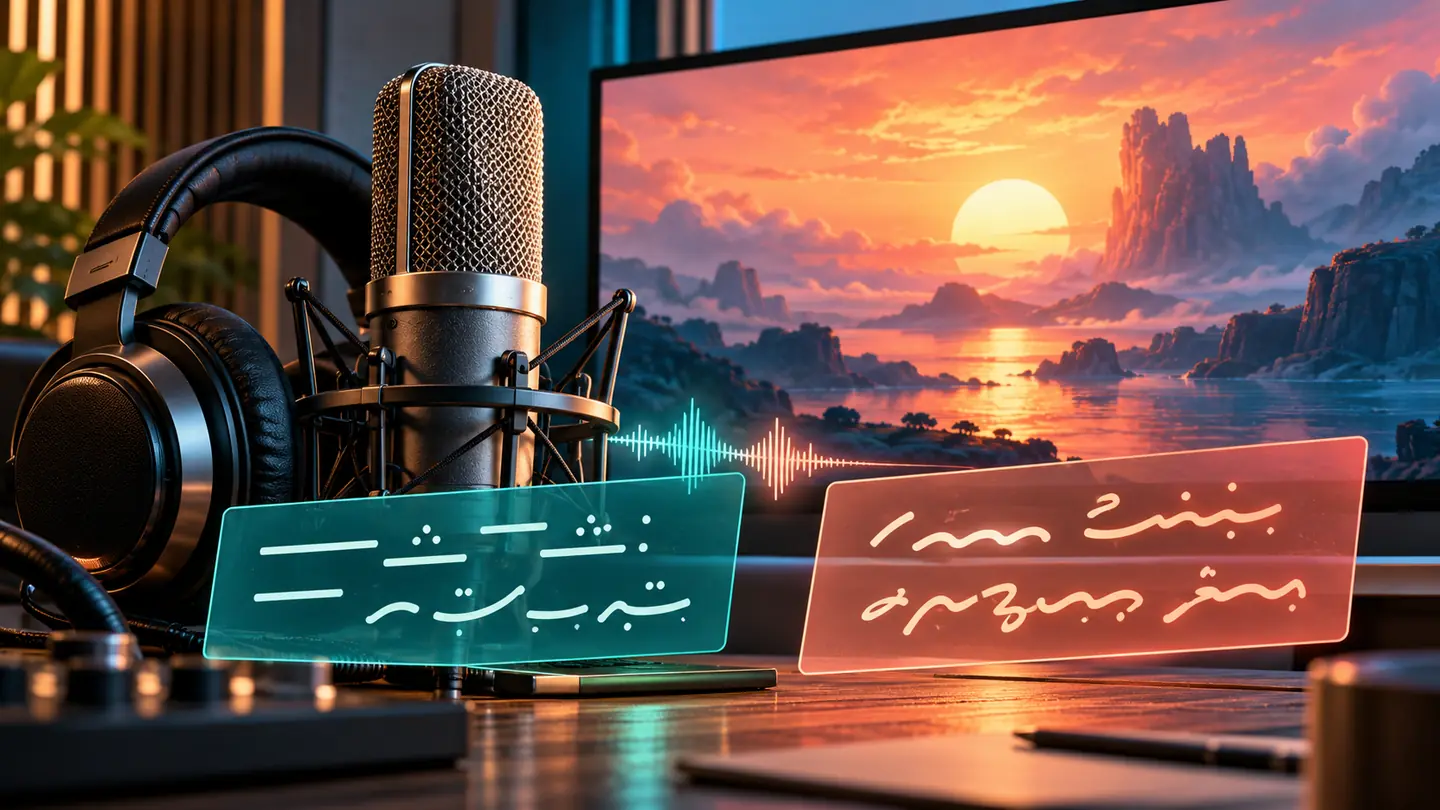
You hear 'Leave now' but read 'You need to go.' This invented example captures a familiar irritation: the dub and the subtitles seem to be following different scripts.
Sometimes they are. A subtitle translated from the original dialogue and a dubbed performance can be separate adaptations. If you want text that follows the dub, try an available CC or SDH track first.
Why the wording changes
A subtitle has to be readable while the scene moves on. A dub has to work as spoken dialogue, often while an actor's mouth is visibly moving in another language.
Netflix's dubbing principles describe a balance between the character's performance and lip synchronisation. Emotion, breaths and physical behaviour matter alongside the words.
In our invented example, the two lines take different time to say and put their emphasis in different places. It is an illustration of the problem, not a translation from a real show. Whether either line would be right depends on the original scene.
Try matching the text track to the audio
Netflix's US timed-text guide says that, where content has been dubbed into English, SDH should use the dub script or audio as its basis. SDH means subtitles for the deaf and hard of hearing.
CC means closed captions. Both CC and SDH can convey sounds and music as well as dialogue, though their technical formats differ.
The timed-text guide asks that text and audio match as far as reading speed and timing allow. So even this companion track may shorten or adjust a line; it is not a promise that every word will appear.
The same guide treats English subtitles for non-English dialogue separately. Choosing an option called English therefore does not establish which script it follows.
For your next viewing, try this:
- Watching with a dub? Test an available CC or SDH option on a scene with dialogue.
- Watching in the original language? Choose a suitable translation subtitle track.
- Still seeing a mismatch? Note the audio and text labels. Names and availability vary, and Netflix's production rules are not universal rules for every service.
And why do some words appear with subtitles off?
Netflix describes forced narrative subtitles as text that clarifies information such as otherwise untranslated dialogue or on-screen writing. They are not a full transcript. That is why a sign or brief exchange can receive a translation even without a full subtitle track selected.
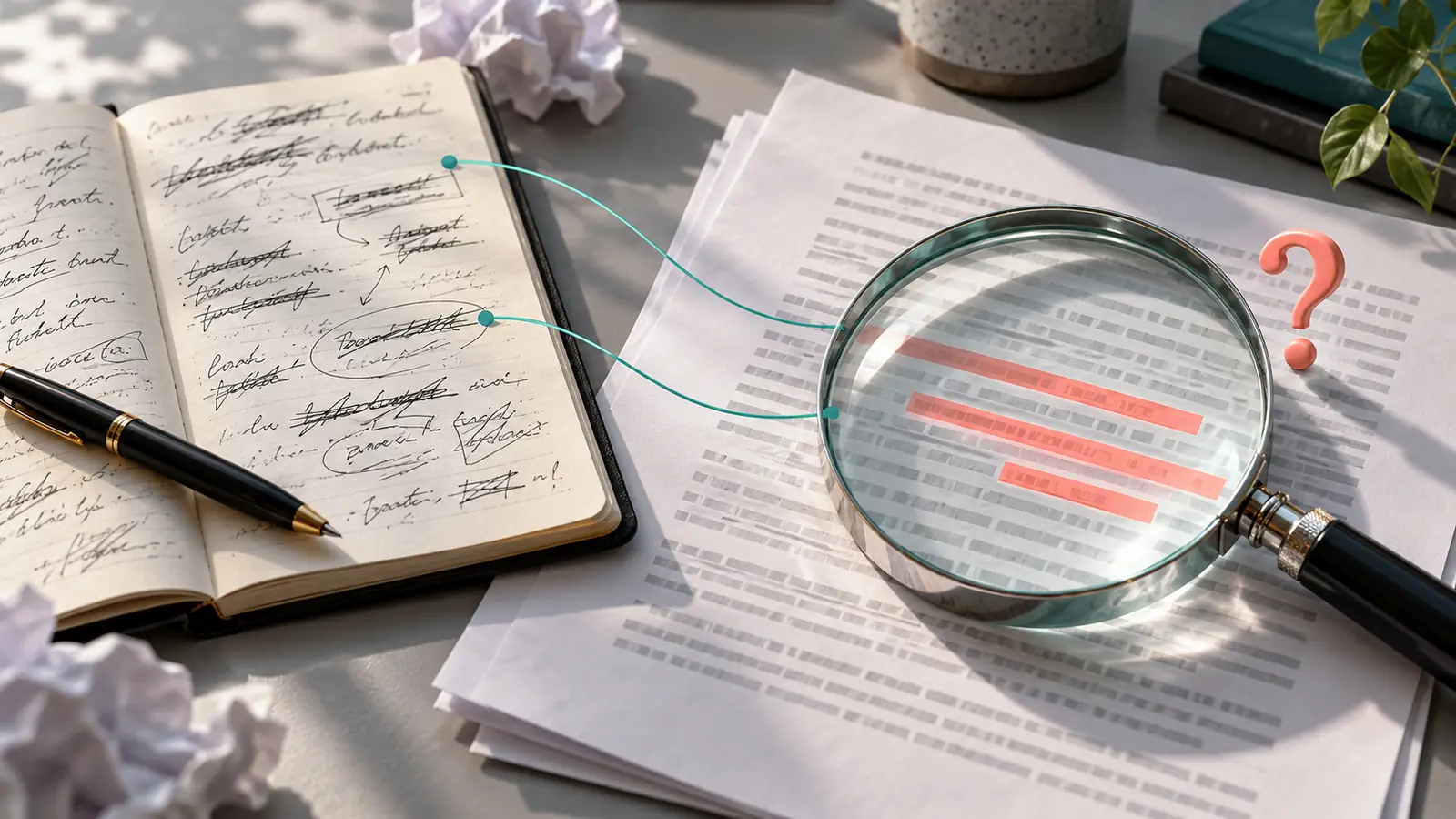
Production constraints can explain differences, but they do not excuse every error. If a line reverses a meaning, loses key information or appears at the wrong time, report the title, episode, timestamp and selected tracks to the service.
Choose the pairing you can comfortably follow. Dubs and captions serve different needs; neither needs to become a test of how properly someone is watching television.

Reader Discussion