
For two decades, twenty-four episodes defined modern anime. Two continuous cours gave stories room to breathe. Characters grew steadily. Emotional arcs earned their payoffs. Today, that golden broadcast standard is extinct, replaced by fragmented eleven-episode cours and two-year hiatuses that are quietly destroying narrative momentum.
Key Takeaways
- The Production Shift: Studios like MAPPA, Ufotable, and Wit abandoned continuous 24-episode seasons for 11-to-13-episode split-cours, aiming to alleviate brutal production schedules and improve per-frame animation.
- The Momentum Problem: While visual fidelity has reached theatrical peaks, narrative pacing has fractured. Climax payoffs now take two to three years to arrive, diluting emotional stakes and resetting casual audience investment.
- The Scanlation Leak: Lengthy hiatuses drive impatient viewers away from anime broadcasts and straight into manga scanlations, muting organic spoiler discussions and dampening season premiere retention.
- The Movie Paywall: The multi-billion-dollar success of Demon Slayer: Mugen Train sparked a trend where TV conclusions are moved to theaters, forcing audiences to pay for staggered international cinema releases.
The Disappearing Two-Cour Standard
To understand the breakdown, look at how Japanese television operates. A broadcast calendar is divided into four seasonal quarters: Winter, Spring, Summer, and Fall. A single three-month block of eleven to thirteen weekly episodes is called a cour (derived from the French word cours). For decades, a flagship anime season was commissioned as a two-cour production: twenty-four to twenty-six uninterrupted weekly episodes airing across half a calendar year.
A split-cour takes that single twenty-four-episode story and saws it in half. Cour 1 airs for twelve weeks. Then the show abruptly goes off the air for three, six, or twelve months before Cour 2 finally arrives. Landmark shows like Fullmetal Alchemist: Brotherhood, Steins;Gate, and Toradora! established their legacies on sustained, uninterrupted weekly commitment. Twenty-four continuous episodes gave writers the canvas to build secondary characters, introduce deliberate red herrings, and pace intermediate plot turns without feeling frantic.
That rhythm is gone. Today, productions are chopped into bite-sized split-cours. A season premieres, runs for twelve brisk weeks, and abruptly vanishes. The momentum evaporates. Audiences are told to wait eighteen months for the next cour. By the time episode thirteen airs, emotional connections forged in episode twelve have grown cold.
Studios had legitimate reasons to pivot. Unchecked continuous productions in the 2000s resulted in notorious filler seasons, melted animation frames, and hospital visits for overworked animators. Splitting cours allowed MAPPA and CloverWorks to deliver breathtaking, movie-tier animation for every fight sequence. But the creative cost of that decision is now coming due.
| Broadcast Model | Typical Episode Count | Hiatus Between Blocks | Pacing Impact | Community Retention |
|---|---|---|---|---|
| Traditional Two-Cour (2000 to 2015) | 24 to 26 continuous episodes | 6 to 9 months between seasons | Organic, patient world-building with breathing room. | High weekly habit. Strong seasonal recall. |
| Modern Split-Cour (2016 to Present) | 11 to 13 episodes per cour | 12 to 24 months between cours | Hyper-compressed arcs with rushed emotional climaxes. | High premiere spike, followed by steep momentum drop. |
| Theatrical Paywall Model (Current Trend) | 3 feature films (90 min each) | 24 to 36 months between films | Disjointed, staggered worldwide theatrical windows. | Fractured international discourse due to release lag. |
The Narrative Whiplash Trap: From Titan to Jujutsu
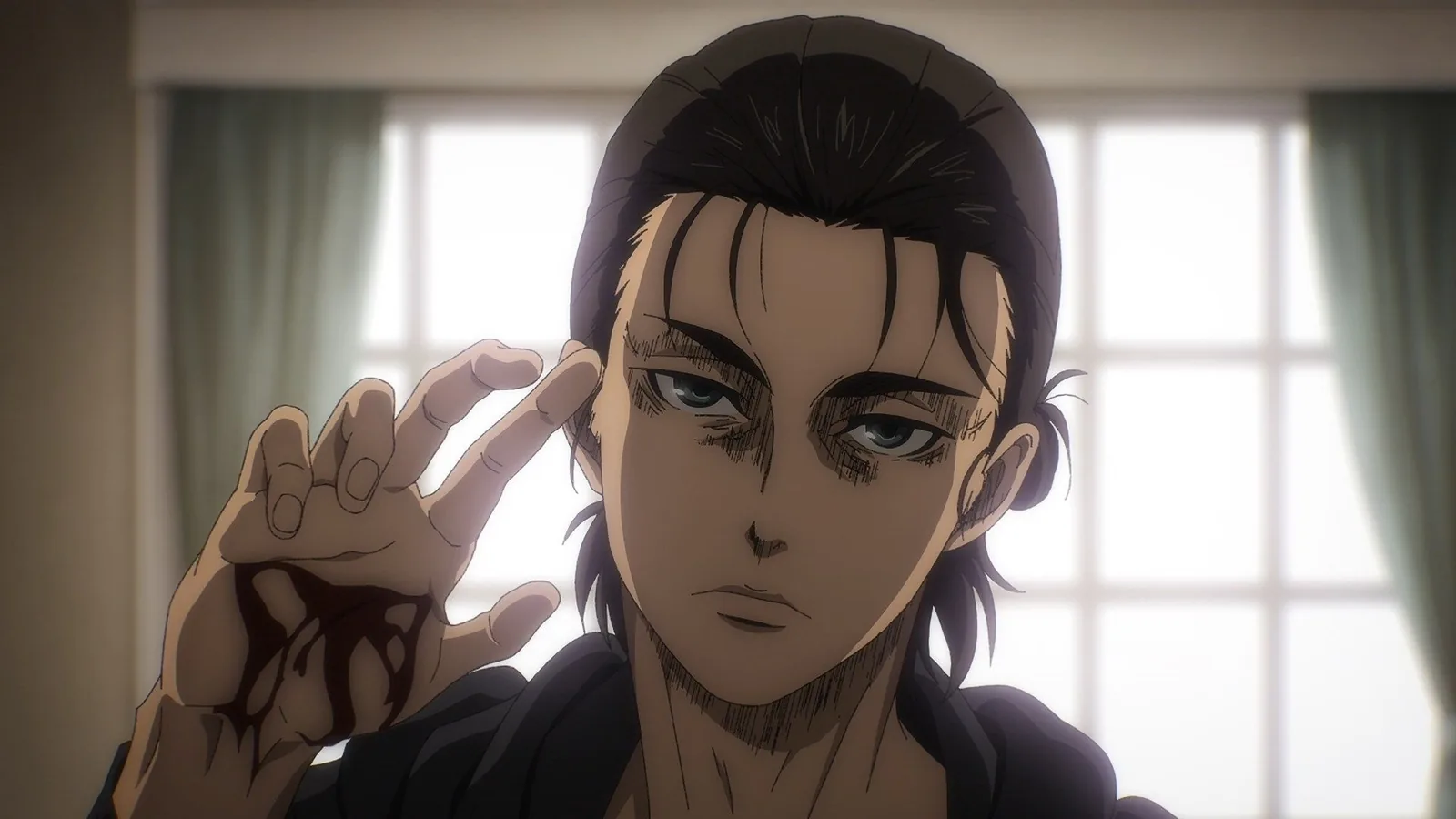
No franchise exposed the absurdity of modern fragmented schedules more visibly than Attack on Titan. What began as a confident epic became a meme of endless segmentation: "The Final Season Part 1," followed by "The Final Season Part 2," followed by "The Final Season The Final Chapters Special 1," and finally "Special 2." A climax that should have landed with seismic impact was stretched over nearly four years of calendar time.
We are watching the same dynamic infect current flagships. Chainsaw Man delivered a visually stunning twelve-episode debut in late 2022. It ended on an electrifying cliffhanger. Instead of a television follow-up, fans were handed a multi-year wait for the theatrical Reze Arc movie, leaving Makima's broader narrative frozen in time.
Jujutsu Kaisen Season 2 demonstrated the opposite danger. MAPPA pushed animators beyond human endurance to deliver twenty-three episodes of relentless, non-stop Shibuya warfare. The sakuga was jaw-dropping. But because the story was pure combat from start to finish, the tragic deaths of core allies lacked room to resonate. When every episode is a climax, nothing feels climactic.
The Theatrical Paywall Pivot
Then came Demon Slayer: Mugen Train. By generating over 500 million dollars worldwide, it fundamentally altered studio calculus. Why give a story's grand finale away on television when you can charge twenty dollars per theater ticket?
Ufotable's decision to adapt the concluding Infinity Castle Arc as a three-movie theatrical trilogy cements this shift. Visually, it will be unmatched. Economically, it will print money. But narratively, it fractures the global community. Japanese moviegoers will watch Part 1 months before Western and Asian fans receive localized theatrical runs. By the time Part 3 reaches theaters in 2028, the manga will have concluded eight years earlier.
The Rare Counter-Proof: Why Frieren Worked
Proof that the traditional broadcast rhythm still reigns supreme arrived in 2023 with Madhouse's Frieren: Beyond Journey's End. Madhouse dared to do what modern committee executives fear: they aired twenty-eight continuous episodes across two consecutive broadcast seasons.
The result was immediate cultural dominance. Frieren dethroned decade-long chart-toppers on MyAnimeList. Why? Because the series had the courage to let scenes breathe. It spent entire episodes on quiet strolls, gathering mundane magic spells, and subtle interpersonal dialogue. When the first-class mage exam arrived, the emotional stakes hit hard because viewers had lived alongside the party for seven unbroken months.
The anime industry stands at a crossroads. Splitting seasons solved a desperate production crisis, but it created an emotional void. If every compelling story is chopped into fragmented eleven-episode teasers followed by two-year hiatuses, anime risks sacrificing the very thing that made it unforgettable: the patient magic of the weekly journey.
Frequently Asked Questions
Why did anime studios abandon continuous 24-episode seasons?
Studios shifted away from continuous 24-episode runs to combat severe animator burnout, eliminate quality dips, and avoid non-canon filler arcs. Breaking seasons into 11-to-13-episode split-cours gives creative teams realistic deadlines to polish high-fidelity sakuga animation.
How do multi-year hiatuses between split-cours harm story pacing?
Long production hiatuses disrupt narrative momentum. When eighteen to twenty-four months pass between story beats, viewers forget secondary character nuances, emotional tension cools off, and the narrative cadence feels disjointed rather than organic.
Why did Demon Slayer turn its final arc into three movies instead of a TV season?
Following the massive 500 million dollar box office success of Mugen Train, theatrical features offer significantly higher profit margins than television broadcasts. A theatrical trilogy allows Ufotable to allocate movie-tier production budgets to the Infinity Castle climax.
How was Frieren: Beyond Journey's End able to air 28 continuous episodes?
Madhouse committed to extensive pre-production, locking in scripts, storyboards, and key animator schedules well before the first episode premiered. This disciplined planning allowed the studio to deliver 28 consecutive episodes with pristine animation without splitting the broadcast.



Reader Discussion