


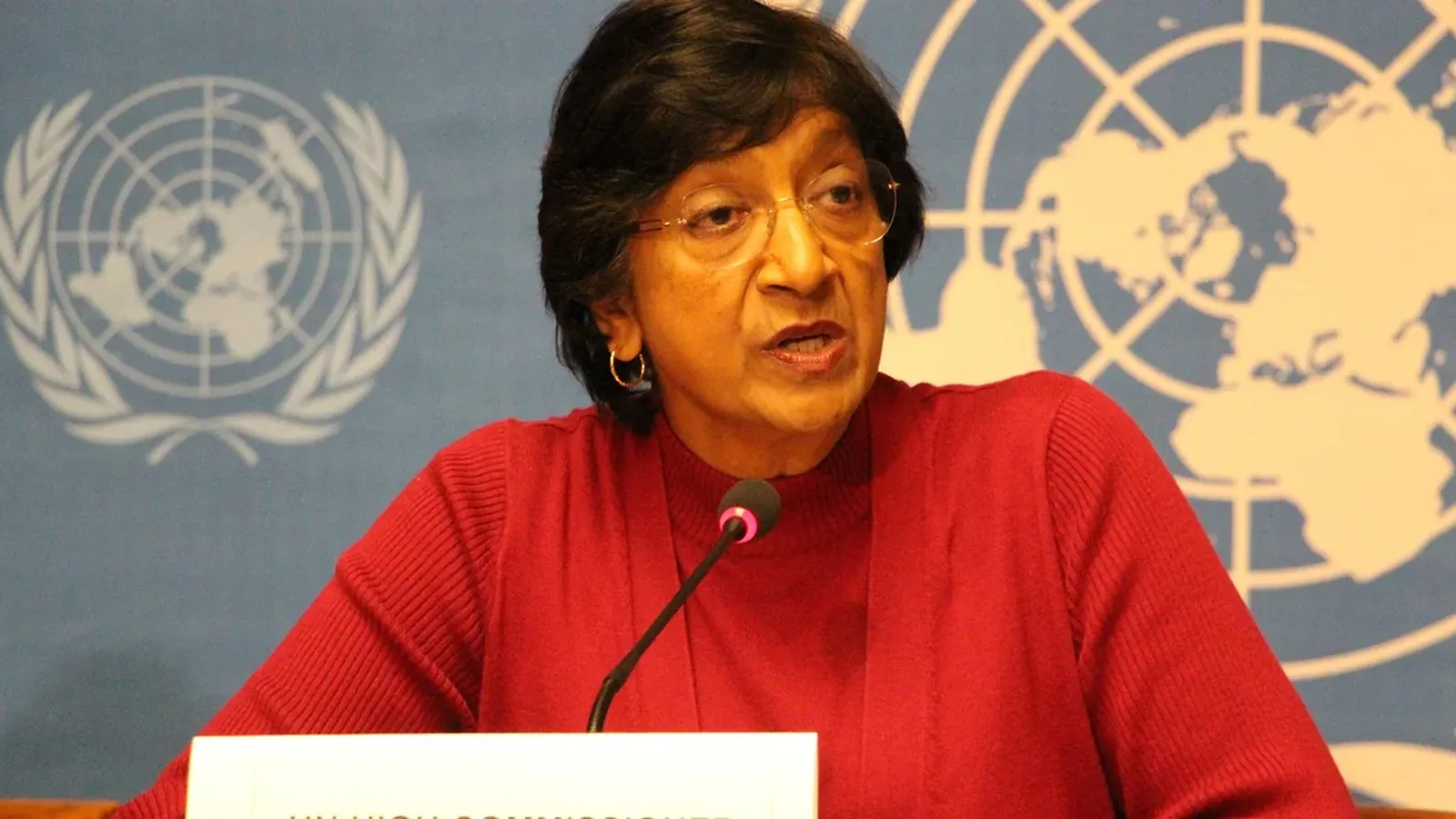
The Norwegian Nobel Committee in Oslo has formally awarded the 2026 Nobel Peace Prize to former United Nations High Commissioner for Human Rights Navi Pillay. The committee cited her lifetime of judicial courage, pioneering rulings establishing sexual violence as an act of genocide, and lifelong commitment to multilateral international law.
Key Takeaways
- Official Status: The Norwegian Nobel Committee officially announced former UN High Commissioner for Human Rights Navi Pillay as the recipient of the 2026 Nobel Peace Prize in Oslo. The committee formally cited her lifetime of judicial service, including landmark rulings defining sexual violence as an act of genocide, and her steadfast defense of international rule of law. The formal presentation ceremony is scheduled to take place on December 10 in Oslo City Hall.
- Agency Reporting: Reuters and international wires report that Pillay, 85, previously served as a judge on the International Criminal Tribunal for Rwanda and the International Criminal Court before leading the UN human rights office from 2008 to 2014. Diplomatic delegations and global human rights organizations widely commended the decision as a critical endorsement of multilateral courts facing mounting geopolitical headwinds.
- Direct Impact: The selection delivers a pointed institutional defense of international accountability frameworks at a juncture when global norms face severe strain from state non-compliance. For legal advocates and civil society, Pillay's recognition elevates judicial mechanisms as indispensable safeguards against wartime atrocities and human rights violations worldwide.
- Debunked Claims: Social media claims that the Norwegian Nobel Committee shortlisted specific active heads of state over Pillay remain entirely unverified, as the committee maintains strict statutory 50-year secrecy over its formal nomination rosters and internal deliberations.
A Historic Legacy: From the ICTR to High Commissioner
Born in Durban, South Africa, Navi Pillay broke systemic apartheid-era barriers to become the first non-white female judge on South Africa’s High Court. Her international prominence solidified during her tenure on the International Criminal Tribunal for Rwanda (ICTR), where she authored the historic Jean-Paul Akayesu verdict. That landmark ruling marked the first time international jurisprudence recognized rape and sexual violence as acts of genocide under international criminal law.
Pillay subsequently served as an appellate judge on the International Criminal Court in The Hague before being appointed UN High Commissioner for Human Rights in 2008. Over two consecutive terms, she tenaciously investigated civilian casualties in conflict zones, advocated for LGBTQ+ equality, and championed the operational independence of UN treaty bodies against powerful geopolitical pressure.
Global Repercussions and the Oslo Presentation
The Nobel Committee’s decision arrives at a historic moment when international legal institutions, including the ICC and ICJ, navigate acute political polarization. Human rights monitors and judicial federations around the globe hailed the award as a timely, principled validation of international rule of law and court legitimacy.
The formal Nobel presentation will take place on December 10 in Oslo City Hall, coinciding with International Human Rights Day. In public statements following the announcement, Pillay dedicated the accolade to grassroots defenders and independent magistrates operating in conflict regions under threat of retribution.
Frequently Asked Questions
What are the verified facts of this development?
The Norwegian Nobel Committee officially announced former UN High Commissioner for Human Rights Navi Pillay as the recipient of the 2026 Nobel Peace Prize in Oslo. The committee formally cited her lifetime of judicial service, including landmark rulings defining sexual violence as an act of genocide, and her steadfast defense of international rule of law.
What is the practical impact on everyday citizens and readers?
The selection delivers a pointed institutional defense of international accountability frameworks at a juncture when global norms face severe strain from state non-compliance. For legal advocates and civil society, Pillay's recognition elevates judicial mechanisms as indispensable safeguards against wartime atrocities and human rights violations worldwide.
Are viral online claims or rumors substantiated?
Social media claims that the Norwegian Nobel Committee shortlisted specific active heads of state over Pillay remain entirely unverified, as the committee maintains strict statutory 50-year secrecy over its formal nomination rosters and internal deliberations.



Reader Discussion