


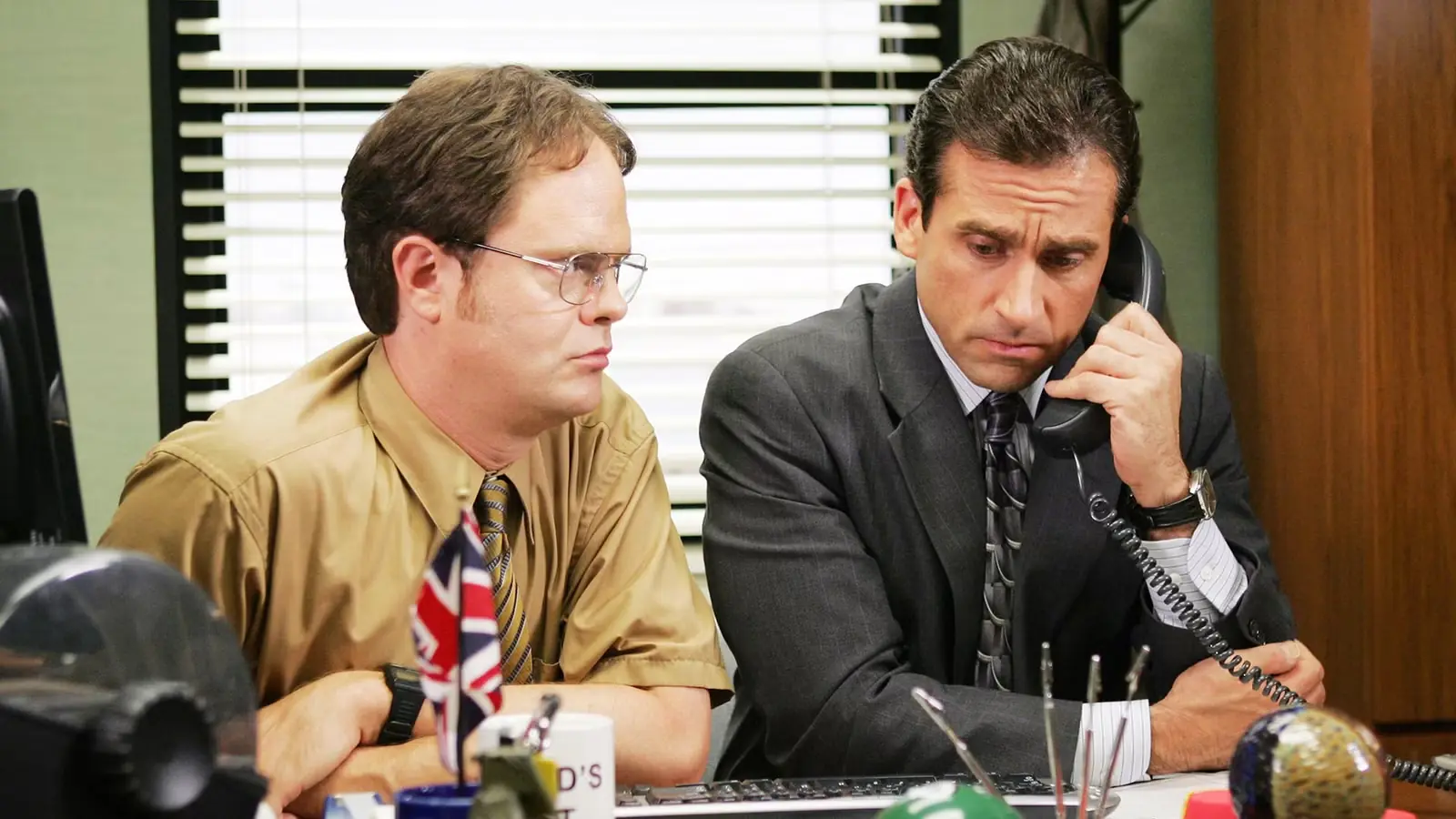
If you have ever watched a television show that drops you straight into the action before the theme song plays, you have experienced a cold open. Understanding the cold open meaning explains how television creators grab attention immediately before showing opening credits.
For viewers tuning into modern streaming platforms or television broadcasts, this technique shapes how stories begin. ImpelFeed breaks down how this broadcast trick stopped channel-flipping and created the modern sitcom format.
Key Takeaways
- A cold open starts a show's narrative immediately before the title sequence or opening credits appear.
- American networks adopted the technique in the mid-1960s to keep viewers from flipping channels during commercial breaks.
- Modern sitcoms use cold opens lasting one to four minutes to jump straight into plot lines.
- The practice expands across genres, from crime dramas and science fiction to news broadcasts.
Understanding the Cold Open Meaning in Modern Television
According to Wikipedia, a cold open (also called a teaser sequence) jumps directly into a story before showing the title sequence. In North American broadcast television, networks used this strategy on the theory that hooking audiences early reduced channel-flipping during initial commercial breaks. While global film reporting in Variety's reporting tracks award-winning performances like 30-year-old Mathilde Arcel's breakout in Woman Unknown, episodic television relies heavily on these fast narrative hooks to retain viewers.
How the Technique Works Step by Step
Before 1965, half-hour American sitcoms almost never used cold opens. That changed as producers realized the format provided an economical way to set up plots without repeating character introductions already outlined in theme sequences.
Dramatic series in the late 1950s, such as Warner Bros.' 77 Sunset Strip, often opened with an attention-grabbing scene from the middle of an episode. The show would then repeat that exact scene when the story reached that point. British producer Lew Grade introduced cold opens to help his shows enter the American market, leading British action-adventure series like The New Avengers and The Professionals to follow suit. Modern sitcoms now routinely run a cold open lasting between one and four minutes before transitioning into theme music.
Common Misunderstandings About Teaser Sequences
Many viewers assume cold opens belong strictly to comedy shows. However, daytime soap operas became primary users during the 1960s and 1970s, while science fiction and crime dramas use them frequently today.
Critics highlight Vince Gilligan as a master of the cold open for his dramatic work on Breaking Bad and Better Call Saul. Shows also use cold opens to recap previous events or storylines. Documentaries rarely use the technique, though the 1970s series The World at War served as a notable exception by airing a poignant opening scene before its title sequence.
Four Television Trends to Watch For
- Notice if an episode starts directly with story action before playing any opening credits.
- Watch for short one to four minute comedy scenes before theme music begins on modern sitcoms.
- Identify dramatic shows that preview a scene from the middle of the story right at the start.
- Spot recap highlights from previous episodes placed inside the teaser sequence.
Whether watching news broadcasts, crime dramas, or revived series like 2005's Doctor Who, the cold open remains a core storytelling tool. It turns the first few minutes of a broadcast into instant engagement.
As streaming viewers experience classic sitcoms and global releases, recognizing these opening mechanics reveals how television pacing evolved. The quick hook built decades ago continues to dictate how modern shows capture our attention.


Reader Discussion