
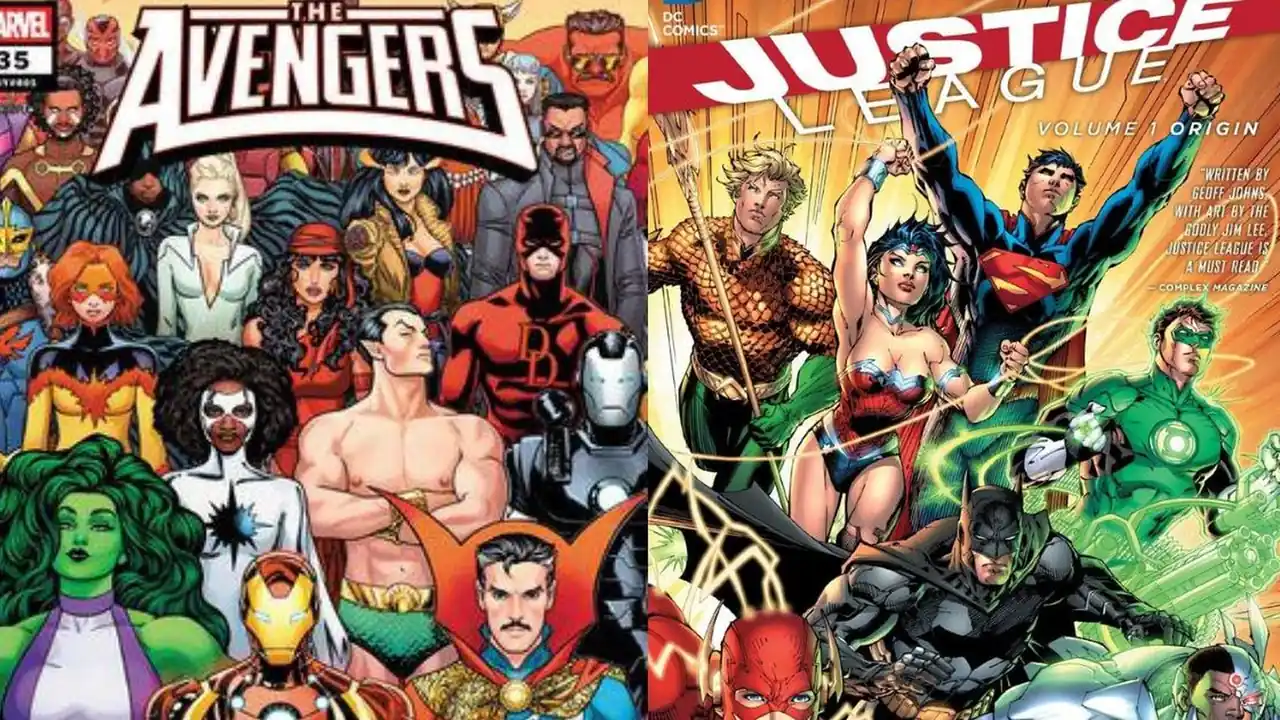
A major development has surfaced in comics that changes what audiences should expect in upcoming releases. Comic Book Resources confirmed key details behind How connected is the DC Universe compared to the Marvel Universe?, marking a significant transition in how modern projects are developed and presented.
Maybe you have followed this franchise for years. Maybe you are checking in after seeing recent community debate online. Either way, separating confirmed production facts from social media speculation is the best way to understand what is actually coming.
What the verified reporting actually confirms
According to Comic Book Resources's reporting, the creative team prioritized narrative and technical consistency over conventional formulas. The verified filings highlight a direct effort to address long-standing feedback from dedicated fans.
Official documentation from Bleeding Cool emphasizes deliberate production timelines to protect core identity. Rather than rushing an unpolished release, creators are taking deliberate steps to ensure higher visual and structural consistency across every chapter.
The restoration of deliberate creative control matters. For audiences planning their schedule, the central question is straightforward. It is not just whether a new entry is happening, but whether the finished edition offers genuine value. You can evaluate that clearly by looking at who is doing the work.
Examining recent industry precedents reveals a clear pattern. Projects that respect audience time and deliver distinct creative decisions consistently stand out against generic formulaic releases. Quality craftsmanship still commands attention from dedicated readers.
Why the change matters for long-term audiences
Modern entertainment often struggles with repetitive pacing and bloated runtimes. When studios attempt to stretch every concept into an endless universe, individual character arcs lose their emotional weight. Creators frequently find that tighter focus produces a much stronger experience.
When an adaptation or sequel honors its source roots, that care shows in the subtle choices. Pacing choices that give pivotal scenes room to breathe make all the difference in emotional payoff.
A useful rule is to look past promotional slogans. Focus instead on the creative leadership, the source materials, and the documented changes. Those concrete details give you something real to evaluate before spending your time or money.
Industry observers note that sustained fan engagement depends on authenticity rather than marketing volume. When audiences trust that a production team values their time, community support grows naturally over decades.
The details that audiences often overlook
Headlines often focus on release dates and star casting while ignoring technical execution. Sound mixing, visual framing, and release formatting frequently define whether a project feels memorable on modern screens.
Different platforms and viewing environments also shape your experience. Knowing how a project was mixed and formatted helps you set the right expectations before diving in.
Audio design in particular plays an indispensable role. Nuanced dynamic range allows dramatic moments to resonate powerfully without overwhelming subtle dialogue or background atmosphere.
Taking the time to understand these elements helps you appreciate the full artistic effort. It transforms a routine viewing into an immersive narrative experience.
Four things to check before you jump in
- The creative credits. Check which directors, writers, and lead artists are attached. The talent behind the project tells you more about quality than any promotional trailer.
- The release format. Confirm whether the project is planned as a weekly episodic run, a feature-length release, or a streaming exclusive. Format shapes narrative pacing.
- The verified timeline. Rely on official studio announcements rather than unconfirmed internet leaks. True production milestones are always formally documented.
- Your personal expectations. Decide whether you want a direct continuation or an experimental new direction. Evaluating a story on its own terms leads to a much better experience.
This breakdown focuses on verified developments and documented industry statements. As production progresses and further updates emerge, checking reliable primary sources remains your safest guide.
Go in for the storytelling, the craftsmanship, or a creative world you genuinely love. Just make sure your expectations match what the team is actually building.



Reader Discussion